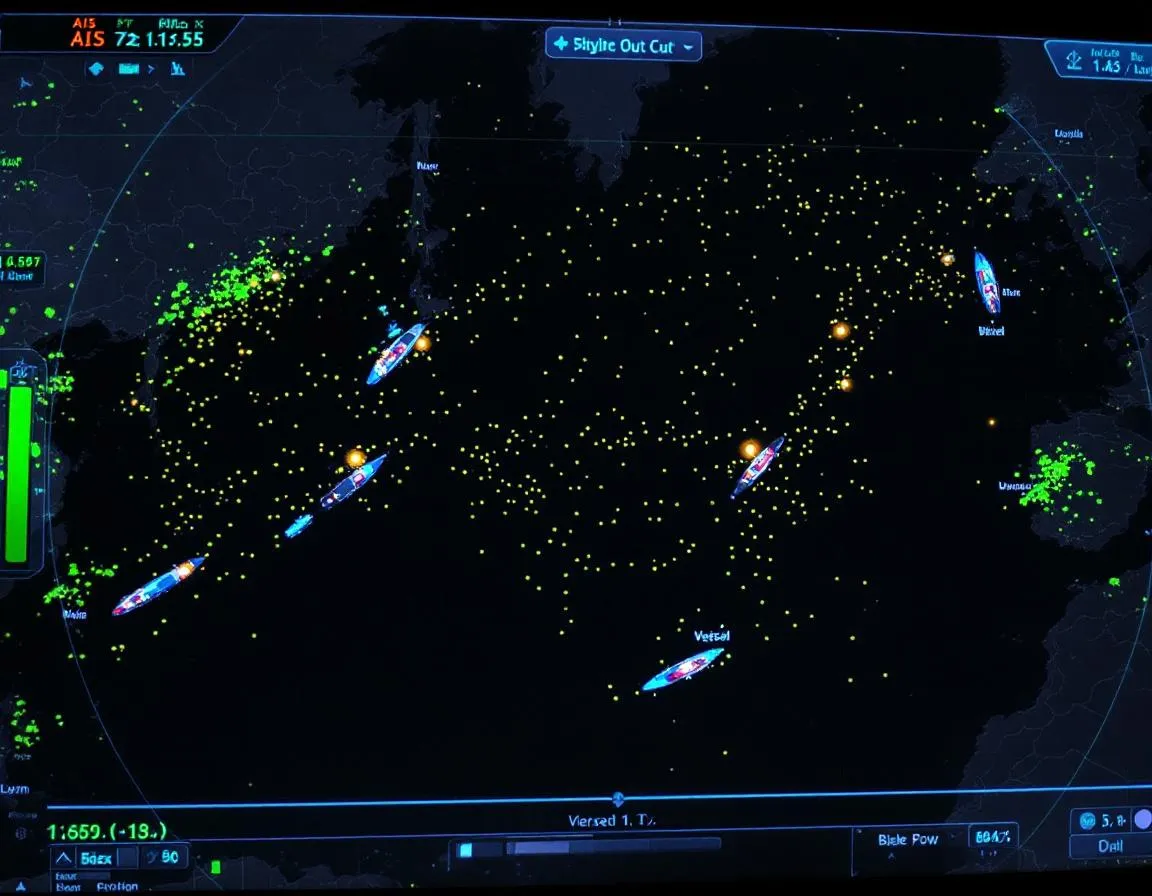
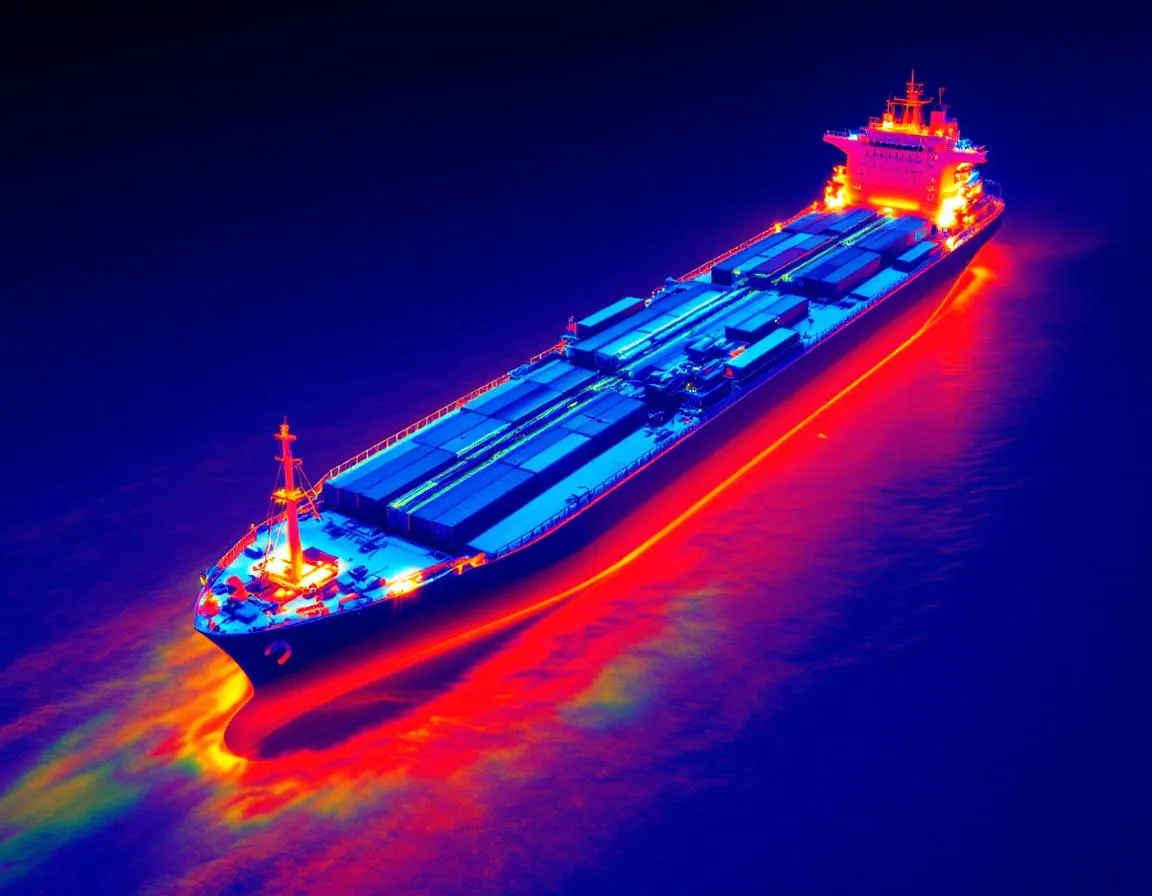
Every shadow fleet ship has a moment where it stops existing on any screen. The AIS transponder goes dark. The dot on the tracking map blinks out. A 300,000-ton vessel carrying $56 million in crude oil simply vanishes from the digital world while still plowing through physical water.
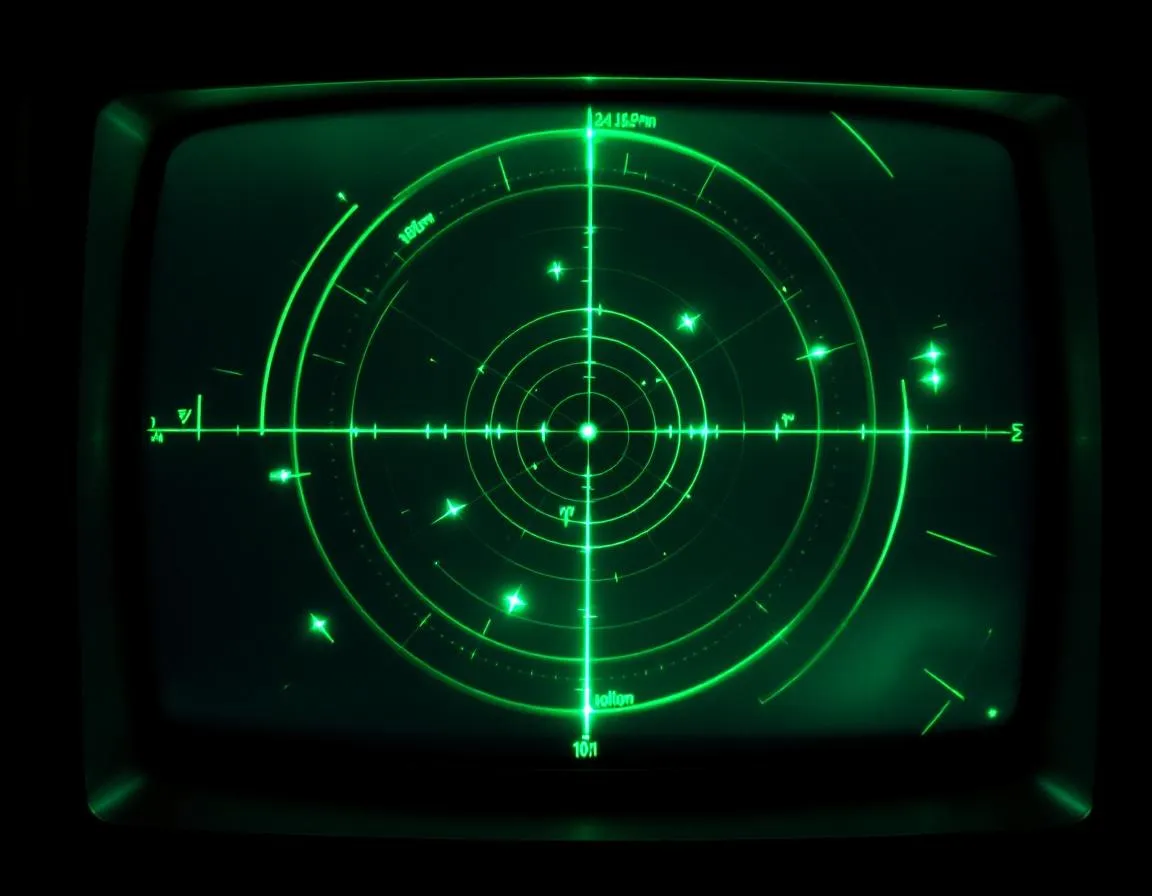
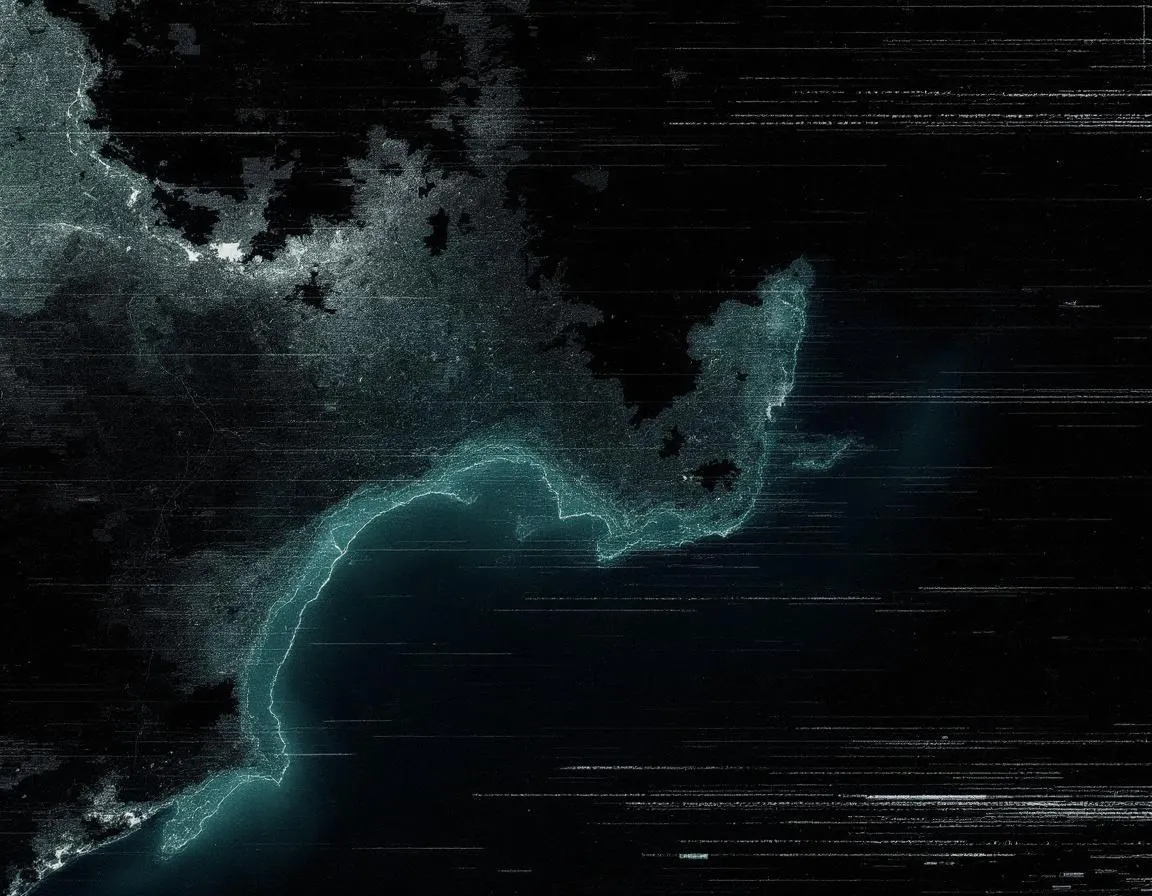
This board lives in that gap — the space between signal and silence. CRT phosphor green. VHF radio static. Corrupted satellite feeds where the data degrades into noise. Sonar pings that return nothing. The aesthetic of systems failing, data decaying, tracks going cold.
Not sleek. Not polished. Degraded. The look of a monitoring station at 3 AM where half the screens show static and the operator hasn't noticed yet that a ship just disappeared.

Last: Bosporus
AIS: 47 days dark
Pos: 36.1°N 29.8°E
AIS: Intermittent
Last: Ceuta STS
AIS: 12 days dark
Last: Great Belt
AIS: 31 days dark
Frame the stop-motion miniatures THROUGH screens. Shoot the physical tanker models reflected in a monitor. Layer the footage with scan lines, data overlays, timestamp HUDs. The physical world only reaches us through degraded digital systems.
Start with clean tracking data — ship positions clear, AIS active. Then progressively corrupt. Ships blink out one by one. Static creeps in. By the end of the sequence, half the fleet has vanished and the tracking screen is mostly noise.
These three colors are tested to remain visible on top of busy, multi-color satellite imagery. Use these — not the palette colors — for any text or graphics that sit directly over footage.